How International Buyers Source Wheat, Sorghum, Maize, and Other Grains in Global Markets
- Arpit Chaudhary
- Mar 14
- 5 min read

The international grain trade sits quietly at the foundation of the global food system. Every day, ships carrying wheat, sorghum, maize, barley, and other grains travel between continents, supplying food manufacturers, livestock producers, and commodity processors around the world. Behind these shipments lies a complex network of farms, storage facilities, logistics providers, and exporters working together to keep supply chains moving.
For businesses involved in importing grains, sourcing is rarely a simple task. Procurement teams must evaluate suppliers, assess product quality, manage logistics, and ensure compliance with international trade regulations. As demand for agricultural commodities continues to grow, identifying reliable grain suppliers for international buyers has become one of the most important challenges in global sourcing.
Understanding how the grain trade works—and how buyers navigate supplier networks—can help businesses build more stable and efficient procurement strategies.
The Global Importance of Grain Trade
Grains are among the most widely traded agricultural commodities in the world. They serve as staple foods for billions of people while also supporting livestock production and industrial processing.
Several major grains dominate international trade:
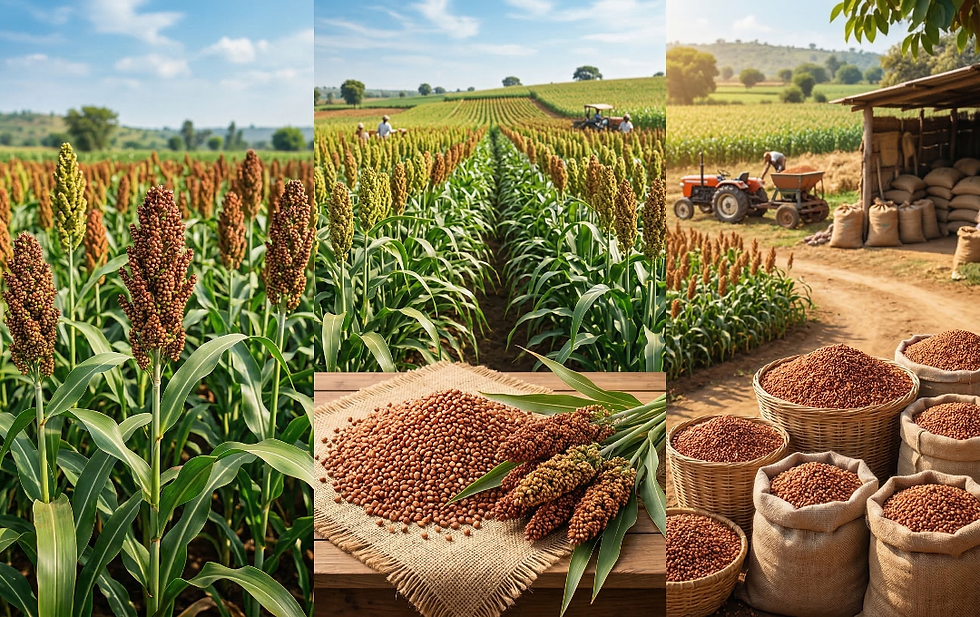
• Wheat, used widely in bread, pasta, and processed foods• Maize (corn), a key ingredient in livestock feed and food manufacturing• Sorghum, increasingly popular for feed and gluten-free food production• Barley, commonly used in brewing and animal feed• Rice, a staple food across much of Asia and Africa
Because many countries cannot produce enough grain to meet domestic demand, international trade helps balance supply and consumption. Importing countries rely heavily on global supplier networks to secure consistent grain shipments.
Major Grain Exporting Regions
The international grain market is supported by several large agricultural producers. These regions export significant volumes of wheat, maize, sorghum, and other cereals each year.
North America
The United States and Canada are among the world’s leading grain exporters. Their advanced farming systems, large-scale production, and well-developed transportation infrastructure allow them to supply international markets efficiently.
Major export shipments leave North American ports for destinations in Asia, Europe, Africa, and the Middle East.
South America
Countries such as Brazil and Argentina play a major role in the export of maize and other grains. Favorable climate conditions and large agricultural land areas allow these countries to produce substantial quantities for international markets.
South American grain exports are particularly important for livestock feed industries worldwide.
Australia
Australia is known for its strong wheat and sorghum export sector. The country’s grain supply chain—from farm to port—is highly efficient, enabling exporters to deliver large shipments to global buyers.
Australian grain exports often serve markets in Asia and the Middle East.
Eastern Europe and the Black Sea Region
Countries around the Black Sea, including Ukraine and Russia, have become major players in global wheat exports. Their agricultural productivity and proximity to important shipping routes have strengthened their role in international grain markets.
Asia and Africa
Although many countries in Asia and Africa are net grain importers, several regions also contribute to international supply through localized exports and regional trade.
These diverse production areas collectively form the backbone of the global grain supply network.
How Grain Supply Chains Work
The journey of grain from farm to international buyer involves several stages. Each stage plays a critical role in ensuring that shipments meet quality standards and arrive on time.
Agricultural Production
Everything begins at the farm level. Farmers cultivate grains according to regional growing seasons and climate conditions. Harvest periods vary by region, which helps maintain year-round availability in international markets.
After harvesting, grains are transported to storage facilities where they are cleaned, dried, and prepared for shipment.
Storage and Aggregation
Grain storage facilities serve as central collection points where production from multiple farms is combined into exportable volumes.
Storage facilities often include:
• Large silos• Grain elevators• Cleaning and sorting equipment• Moisture control systems
These facilities help maintain grain quality before export.
Quality Inspection
Before shipments leave for international destinations, quality checks are conducted to ensure that the grain meets contract specifications.
Inspection agencies typically evaluate factors such as:
• Moisture content• Foreign material levels• Broken grain percentage• Test weight
Independent inspection certificates are often required before shipments are approved for export.
Export Logistics and Transportation
Moving grain from farms to international buyers requires extensive logistics coordination.
Inland Transportation
Grain is transported from farms and storage facilities to export terminals through:
• Truck transport• Rail freight• Inland shipping routes
Efficient inland logistics reduce delays and help maintain consistent supply.
Port Handling
Once the grain arrives at the port, it is stored temporarily in export silos before being loaded onto ships or containers.
Port operators handle several tasks:
• Final cargo weighing• Inspection sampling• Documentation preparation• Vessel loading coordination
The efficiency of port infrastructure often determines how quickly shipments can be dispatched to international buyers.
Bulk vs Container Grain Shipments
International grain shipments generally move through two main transportation formats.
Bulk Vessel Shipments
Large buyers—such as national grain boards or large feed manufacturers—often purchase grains in bulk vessel shipments.
Bulk vessels can carry tens of thousands of metric tons at once, making them the most cost-effective option for high-volume orders.
Containerized Shipments
Smaller buyers often rely on container shipments. Containers allow companies to import manageable quantities while maintaining flexibility in sourcing strategies.
Containerized grain shipments have become increasingly common as more small and medium-sized businesses participate in global trade.
Both shipping methods are widely used by grain suppliers for international buyers, depending on the size and requirements of the transaction.
Key Factors Buyers Consider When Sourcing Grains
For international buyers, selecting the right supplier involves more than simply comparing prices. Procurement teams evaluate several important factors when sourcing grain.
Product Quality
Quality specifications are essential in grain trade. Buyers typically define parameters for moisture levels, foreign matter content, and grain size to ensure the product meets processing requirements.
Supply Reliability
Consistent supply is critical for industries that rely on continuous production. Buyers often work with suppliers capable of maintaining steady export volumes across multiple seasons.
Logistics Capabilities
Exporters must have access to transportation networks, storage infrastructure, and port facilities capable of handling large shipments.
Documentation Compliance
International shipments require detailed documentation, including invoices, bills of lading, certificates of origin, and phytosanitary certificates.
Reliable suppliers manage these requirements carefully to ensure smooth customs clearance.
Digital Platforms and Supplier Discovery
In the past, businesses searching for international grain suppliers relied heavily on brokers, industry contacts, and trade exhibitions.
Today, digital B2B platforms have simplified the process of connecting buyers with exporters. Online marketplaces allow procurement teams to explore supplier directories, compare products, and initiate direct communication with exporters.
Platforms such as Exporters Worlds help international buyers discover exporters across multiple agricultural commodity categories, including wheat, sorghum, maize, and other grains.
While buyers should always conduct their own verification procedures, these platforms provide a convenient starting point for exploring sourcing opportunities.
Building Long-Term Supplier Relationships
In the global grain industry, long-term partnerships often provide greater stability than one-time transactions.
Buyers who develop reliable supplier relationships benefit from:
• Predictable shipment schedules• Improved communication• Better pricing negotiations• Greater trust in quality standards
These partnerships help businesses navigate the complexities of international grain sourcing more effectively.
Conclusion
Global grain trade plays a vital role in connecting agricultural producers with industries and consumers around the world. Wheat, maize, sorghum, and other grains travel through sophisticated supply chains involving farms, storage facilities, logistics providers, and exporters.
For businesses involved in importing agricultural commodities, understanding how these supply chains operate is essential. By carefully evaluating suppliers, verifying quality standards, and managing logistics effectively, procurement teams can build reliable sourcing strategies.
As international demand for grains continues to expand, the role of dependable grain suppliers for international buyers will remain central to maintaining stable global food and feed supply networks.
Comments